
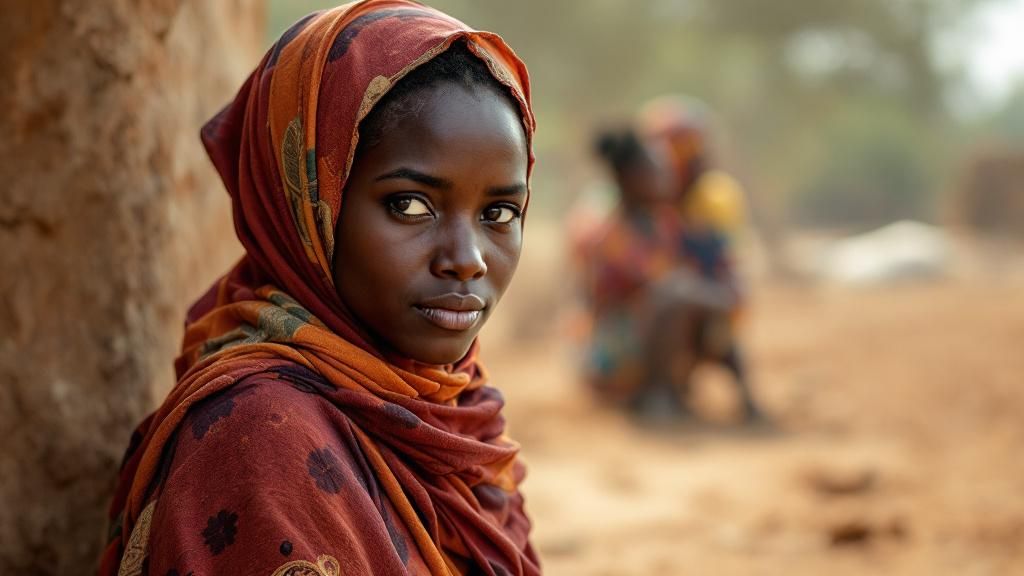
Sub-Saharan Africa faces an unprecedented human crisis, with millions of vulnerable populations caught within spiralling patterns of hardship, illness, and forced migration. Fuelled by armed violence, climatic shifts, and economic failure, this catastrophe endangers entire communities and stretches beyond capacity already fragile medical and nutritional infrastructure. This article analyses the multifaceted dimensions of this catastrophe, assessing its fundamental drivers, devastating human toll, and the international response efforts in progress to tackle this urgent crisis striking the most vulnerable people across the continent.
The Magnitude of the Crisis
The humanitarian crisis affecting Sub-Saharan Africa has attained record levels, with an estimated 282 million people presently experiencing acute food insecurity. This alarming number represents a substantial rise from previous years, demonstrating the cumulative impact of prolonged conflict, severe dry spells, and economic deterioration. Many areas have become inaccessible to aid organisations, depriving vulnerable populations—particularly children and elderly people, and those with impairments—lacking vital assistance, safe drinking water, and healthcare support.
The crisis unfolds across various interconnected dimensions, creating a perfect storm of suffering. Malnutrition rates have risen to concerning levels, with child mortality climbing sharply in conflict-affected zones. Simultaneously, disease epidemics such as cholera and measles spread rapidly through densely packed displacement centres where sanitation remains critically inadequate. Healthcare infrastructure, already critically stretched, remains in decline as medical professionals flee conflict zones, abandoning populations wholly without of basic medical care and emergency care.
Drivers of the Humanitarian Emergency
The humanitarian crisis unfolding across Sub-Saharan Africa results from a complex interplay of interdependent elements that have built up over several decades. Military conflict, especially in places like South Sudan, Somalia, and the Democratic Republic of Congo, has forced millions from their homes and devastated critical services. Simultaneously, environmental shifts has intensified droughts and unpredictable weather patterns, undermining farm output and livestock-based economies. Economic mismanagement, combined with declining commodity prices and decreased external funding, has further weakened state ability to offer fundamental support and social safety nets to vulnerable populations.
Compounding these structural challenges are deep-rooted gaps in healthcare infrastructure, education systems, and governance frameworks that leave populations unable to respond to emergencies. Malnutrition levels have increased dramatically, particularly in child populations, whilst disease outbreaks spread rapidly through densely populated displacement camps and urban settlements. The intersection of multiple crises has created a perfect storm: communities facing multiple simultaneous threats from violence, hunger, illness, and environmental degradation lack adequate resources and assistance systems necessary for survival. Without immediate action, these drivers will continue to perpetuate cycles of suffering and vulnerability across the region.
Effects on At-Risk Groups
The human rights crisis in Sub-Saharan regions disproportionately impacts the most at-risk populations, such as children, women, and displaced persons. These populations face compounded challenges as systemic inequalities are exacerbated by conflict, displacement, and resource scarcity. Limited access to clean water, sanitation, healthcare, and education generates interconnected health emergencies. Vulnerable populations encounter difficulties accessing humanitarian assistance due to geographic isolation, insecurity, and systemic barriers, placing millions in critical situations requiring urgent international intervention and support.
Young People and Poor Nutrition
Child undernourishment has escalated dramatically across Sub-Saharan Africa, with vast numbers of young people enduring acute and chronic malnutrition. Prolonged conflicts disrupt food systems infrastructure, whilst drought conditions caused by climate change destroy crop production. Restricted medical services blocks prompt action in nutritional deficiencies, leading to unnecessary mortality and growth impairments. Malnutrition compromises the immune function of children, heightening risk to infectious diseases including malaria, cholera, and lung diseases. In the absence of immediate aid, entire populations of children confronts impaired growth and mental development.
The emotional toll of undernourishment goes further than physical health, influencing children’s emotional wellbeing and learning results. Severely malnourished children show slow developmental progress, impaired cognitive abilities, and compromised educational ability. Learning institutions stay closed in conflict zones, preventing access to children critical feeding initiatives and learning access. Families find it difficult to purchase additional nutrition, forcing stark trade-offs between purchasing food and obtaining healthcare. Humanitarian organisations report concerning rises in instances of critical malnutrition, particularly amongst children below five years of age.
- Acute malnutrition impacts approximately 40 million children throughout the area.
- Stunting rates exceed 40% in several Sub-Saharan countries.
- Malaria and diarrhoea compound dietary inadequacies substantially.
- School feeding programmes provide critical dietary support for vulnerable children.
- Emergency food support requires sustained international funding and support.
Worldwide Response and Outlook Ahead
The global community has deployed substantial resources to respond to the humanitarian emergency in Sub-Saharan Africa, with the United Nations, World Health Organisation, and numerous non-governmental organisations distributing emergency assistance across impacted areas. However, current funding levels remain substantially below what humanitarian agencies deem essential to address the magnitude of need. Contributing countries and multilateral bodies must substantially raise monetary contributions whilst simultaneously addressing the fundamental causes of instability. Coordination between international bodies and local governments remains vital for making certain aid reaches the most disadvantaged communities with both effectiveness and efficiency.
Looking ahead, the trajectory of this crisis hinges on sustained global cooperation and long-term investment in sustainable development. Building robust health infrastructure, strengthening food supply systems, and supporting peace initiatives are vital for averting continued decline. The international community must reconcile immediate humanitarian relief with broad-based approaches addressing resolving conflict, adapting to climate change, and economic growth. Without strong action and substantial resource allocation, Sub-Saharan Africa faces the prospect of deepening humanitarian catastrophe, demanding ever-more expensive responses whilst vulnerable populations endure avoidable hardship.
