
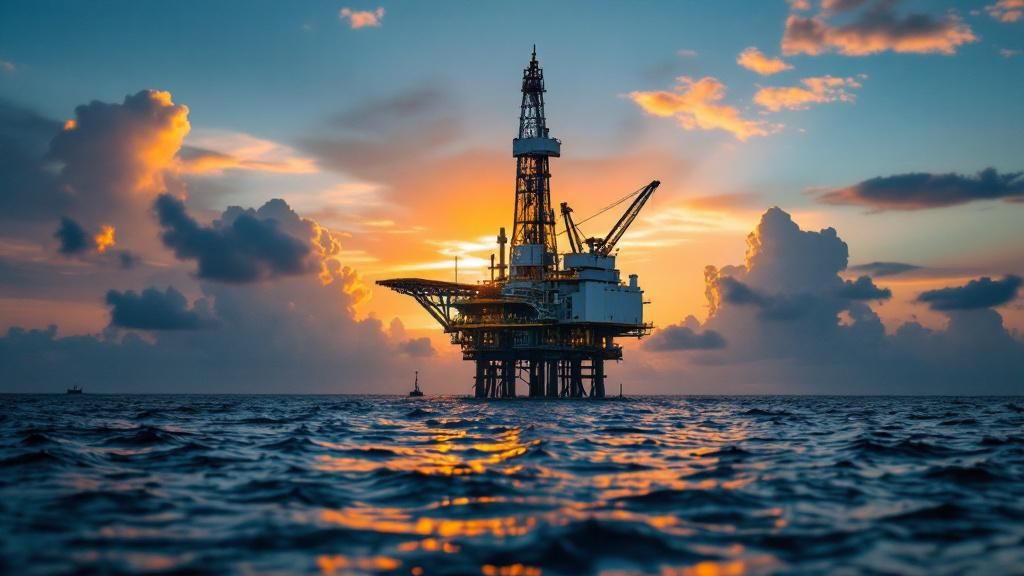
A controversial US federal panel has decided to exempt oil and gas drilling operations in the Gulf of Mexico from decades-old environmental protections, paving the way for increased fossil fuel extraction despite risks to threatened marine species. The decision by the Endangered Species Committee—informally called as the “God Squad” for its ability to determine the future of threatened wildlife—marks only the 3rd time in its 53-year history that it has approved such an exemption. The unanimous vote followed a call from Pete Hegseth, the US Secretary of Defence, who argued that greater domestic oil production was crucial to national security in light of recent tensions with Iran. Environmental campaigners have criticised the decision, warning it could push several species, including the critically endangered Rice’s Whale with fewer than 51 individuals remaining, towards extinction.
The Committee’s Debated Choice
The Endangered Species Committee’s ruling constitutes a significant departure from almost five decades of time of conservation framework. Created in 1973 as integral to the groundbreaking Endangered Species Act, the committee was designed to serve as a safeguard against construction initiatives that could harm endangered animals. However, the legislation included a provision allowing the committee to issue waivers when defence interests or the lack of practical options substantiated overriding species safeguards. Tuesday’s unanimous ballot constituted only the third instance since 1971 that the committee has exercised this extraordinary authority, underscoring the infrequency and gravity of such rulings.
Secretary Hegseth’s appeal to national security was compelling to the panel, particularly given the recent escalation in the Middle East. He stressed that the Strait of Hormuz, via which substantial volumes of worldwide petroleum pass, was effectively blocked after military operations in late February. As fuel costs at American pumps now surpassing $4 per gallon for the first time since 2022, the government has positioned domestic oil expansion as vital to economic and strategic interests. Environmental advocates argue, however, that the security justification obscures what they consider a prioritizing of business interests at the expense of irreplaceable ecosystems.
- Committee authorised exemption for Gulf of Mexico oil and gas operations
- Decision removes protections for twenty endangered species in the region
- Only third waiver awarded in the committee’s 53-year history
- Vote was unanimous amongst all members in attendance
National Defence Arguments and Global Political Tensions
The Trump administration’s campaign for increased Gulf oil drilling depends fundamentally on assertions about America’s strategic vulnerability to disruptions from the Middle East. Secretary Hegseth framed the exemption request as a reaction to what he described as “hostile action” by Iran, arguing that domestic energy independence represents a vital national security imperative. The administration argues that dependence on overseas oil exposes the United States exposed to geopolitical coercion, especially in light of recent military escalations in the region. This framing transforms an environmental and economic issue into one of national defence, a rhetorical shift that proved decisive in securing the committee’s unanimous approval. Critics, however, dispute whether the security rationale genuinely justifies compromising species that took decades to protect.
The sequence of Hegseth’s exemption request adds complexity to the security-related argument. Although the secretary submitted his formal appeal before the recent Iranian-Israeli armed conflict, he subsequently cited that confrontation as vindication of his stance. This sequence suggests the administration could have been pursuing regulatory leeway for broader energy expansion goals, then strategically cited geopolitical events to strengthen its argument. Environmental groups contend the approach constitutes a concerning precedent, creating that any global conflict could justify removing environmental safeguards. The decision effectively subordinates the Endangered Species Act’s protections to executive determinations of national interest, a shift with potentially far-reaching consequences for future environmental regulation.
The Strait of Hormuz Standoff
The Strait of Hormuz, a tight passage between Iran and Oman, represents among the world’s most vital chokepoints for global energy supplies. Approximately roughly a third of all maritime oil shipments passes through this vital corridor daily, making it essential infrastructure for global energy markets. In February, after coordinated military strikes by the United States and Israel, Iran shut down the strait to commercial traffic, creating sudden disruptions to international oil distribution. This action triggered swift increases in petrol prices across Western markets, with American petrol reaching four dollars per gallon—the peak price since 2022—demonstrating the financial fragility the government aimed to tackle.
The strait’s blockade demonstrated the fragility of America’s existing energy supply chains and the genuine economic consequences of Middle Eastern instability. Hegseth’s contention that home-grown oil diminishes this vulnerability holds undeniable logic; increased American energy independence would theoretically insulate the country from such disruptions. However, conservation groups counter that the solution conflates short-term geopolitical concerns with lasting environmental harm. The Gulf of Mexico’s marine ecosystem, they argue, should not bear the costs of addressing strategic vulnerabilities that might be addressed through international dialogue, sustainable power development, or other alternatives. This fundamental disagreement over whether environmental cost amounts to an acceptable price for energy security persists at the heart of the controversy.
Marine Life Facing Danger in the Gulf
| Species | Conservation Status |
|---|---|
| Rice’s Whale | Critically Endangered |
| Green Sea Turtle | Threatened |
| Loggerhead Sea Turtle | Threatened |
| West Indian Manatee | Threatened |
| Atlantic Bottlenose Dolphin | Threatened |
| Gulf Sturgeon | Threatened |
The Gulf of Mexico maintains an remarkable range of marine life, yet the waiver issued by the “God Squad” places approximately twenty endangered and imperilled species at direct risk from expanded oil and gas operations. The most endangered is Rice’s Whale, with merely fifty-one individuals surviving in their natural habitat—a population already severely impacted by the 2010 Deepwater Horizon tragedy, which claimed eleven lives and released nearly five million barrels of crude oil into the gulf. Environmental scientists warn that increased drilling efforts could be catastrophic for a species teetering on the edge of permanent extinction. The decision favours energy development over the survival of creatures discovered nowhere else on Earth, constituting an unparalleled compromise of ecological diversity for home fuel production.
Environmental Resistance and Legal Obstacles Ahead
Environmental groups have reacted to the committee’s determination with strong criticism, arguing that the exemption represents a devastating failure to protect species facing extinction. The Centre for Biological Diversity and other conservation groups have committed to contest the ruling via the courts, contending that the “God Squad” exceeded its powers by granting an exemption without exhausting alternative solutions. Brett Hartl, the Centre’s government affairs director, emphasised that Americans strongly oppose putting at risk whales and ocean species to enrich oil and gas companies. Legal experts indicate that environmental groups may have grounds to argue the committee failed to sufficiently assess less destructive alternatives to expanded drilling operations.
The exemption marks only the third occasion in the Endangered Species Committee’s 53-year history that an exemption of this kind has been granted, underscoring the extraordinary nature of this decision. Critics argue that framing oil expansion as a national security imperative sets a dangerous precedent, potentially opening the door to future exemptions that prioritise economic interests over species protection. The decision also raises questions about whether the committee adequately considered the irreversible loss of Rice’s Whale—found nowhere else globally—against short-term energy security concerns. Environmental advocates insist that investment in renewable energy and negotiated agreements offer practical options that would not require compromising irreplaceable biodiversity.
- Multiple environmental organizations are set to submit legal challenges against the exception approval
- The ruling marks only the third exception granted in the committee’s fifty-three-year track record
- Conservation supporters maintain clean energy offers viable alternatives to further gulf extraction
The Threatened Wildlife Act and The Exceptions
The Endangered Species Act, enacted in 1973, stands as one of America’s most important conservation measures, created to protect the nation’s most at-risk animal and plant species from the harmful effects of development. The statute established comprehensive measures to prevent species from becoming extinct, such as restrictions on operations in protected areas where animals could be harmed or killed, such as dam construction and industrial development. For more than 50 years, the Act has offered a legal framework protecting numerous species from commercial exploitation and environmental damage, significantly transforming how the United States handles development and conservation choices.
However, the Act includes a critical provision that allows exemptions under particular situations, a authority granted to the Endangered Species Committee, informally called the “God Squad” because of its remarkable power regarding species survival. The committee can circumvent the Act’s safeguards when exemptions serve national security interests or when no viable alternative options exist. This exemption provision represents a deliberate compromise incorporated within the legislation, recognising that certain national interests might occasionally take precedence over species protection. The committee’s decision to grant an exemption regarding Gulf of Mexico oil drilling activates this seldom-invoked provision, raising fundamental questions about how security priorities should be balanced against irreversible biodiversity loss.
Historical Overview of the God Squad
Since its establishment 53 years prior, the Endangered Species Committee has approved exemptions on just three times, reflecting the exceptional scarcity of such decisions. The committee’s restricted deployment of its exemption powers demonstrates that Congress designed this provision as an ultimate safeguard rather than a standard exemption procedure. By approving the Gulf drilling exemption, the panel has now activated its most contentious power for merely the third instance in its entire history, indicating a significant departure from decades of precedent and restraint in environmental stewardship.
